
Parenting alongside an academic job or a PhD is demanding at any stage, but the demands change as children grow. While early childhood brings intense physical and emotional labour, school‑age parenting often introduces a different set of pressures—less visible, but still significant—especially for those in work that expands to fill available time.
In many families, paid work and care both have the capacity to push right up to the point of burnout. For some, one income creates flexibility; for others, it concentrates responsibility and risk. Either way, the years when children become more independent are not simply a period of relief. They are a transition that requires adjustment—both at home and at work. Here are some things that I have noticed now that my children have transitioned to school age.
1. Children stop being the “brake” on overwork
One change that often catches academic parents by surprise is this: as children need less hands‑on care, they also stop being a natural limit on how much we work. When there are fewer interruptions, fewer early pickups, and more independent evenings, work can quietly expand. Many of us parents rely, often unconsciously, on childcare demands to force breaks. What I have found is that when those demands recede, rest has to become more intentional. I’m not great at this, but I’m learning. What it involves is actively building in pauses for bodies and brains that are used to operating at high intensity, particularly in intellectually demanding work.
2. Parenting becomes more about management than direct carework
Another shift is the nature of parenting itself. With school‑age children, much of the work is no longer about doing things with children—feeding, playing, settling—but about creating structures they live within. Rules, rhythms, and expectations take centre stage. This is not always the most rewarding part of parenting. It requires consistency, repetition, and a willingness to be less immediately liked. But it is also where independence, responsibility, and shared family life are shaped in very ordinary ways.
3. Routines matter in different ways than when children were younger
Over time, as we have had more children, my little family has come to rely increasingly on routines—or “rhythms”—to reduce cognitive load. This has been particularly important during periods of reduced capacity such as when I had long covid, but it matters even when things are going well. For children, routines reduce negotiation and uncertainty. For parents, they lower the volume of decisions that need to be made each day. The aim is not rigidity, but predictability.
At this stage, routines can include:
- Children managing age‑appropriate aspects of mornings (getting dressed, breakfast, lunches)
- Consistent bedtimes that prioritise sleep over constant negotiation
- Independent travel to and from school where safe and appropriate
- Clear, predictable windows for technology use rather than case‑by‑case negotiations
- Regular contributions to household labour
The specifics will vary widely by family, location, and child—but the principle is the same: predictability supports both autonomy and wellbeing.
4. Independence is essential for us as a larger family
One routine that matters more than it might first appear is how children get to and from school. Encouraging independent travel where feasible can reduce pressure on parents and offer children tangible benefits—confidence, social connection, and a sense of competence. We live in a small regional city where our kids can bike or bus to school, and we only have to supervise the youngest in doing so (age seven). These decisions are rarely without anxiety, particularly in relation to safety on car-centred roads, but we have found that a high‑trust model has really worked for us. Clear expectations and communication are essential, for example, the kids know they are expected at home at a certain time.
5. Expectations matter for technology, meals, and shared time
Predictable technology windows can reduce daily conflict, particularly when they are consistent across weekdays and weekends. Keeping devices in shared spaces (with transparent exceptions for school work) helps align technology use with family values rather than constant enforcement. Our kids have only accessed smartphones when they have been gifted a grandparent’s old one, and not until Year 10 (around 14 years old). Shared meals remain one of the most reliable anchors of our family life, even if it means eating at 5.30pm twice a week in order to squeeze it in between my work and the kids’ sports practice. Ours are certainly accompanied by complaints about vegetables, but they still provide regular moments of connection and routine amidst busy schedules.

6. Chores and contribution to the family are important to me
Regular chores, matched to age and capacity, are another way routines communicate values. Beyond keeping households functioning, they normalise contribution to shared life and reduce the sense that care work belongs to one person. For us, it’s important that the kids learn how to do chores throughout their time at home, so that when they leave home they are ready to manage themselves in a shared house or their own place. This is certainly a cultural value that I don’t see everywhere in the world, but its very important to me. I also had my first few jobs doing things I had learned doing as chores: dishes, ironing, cleaning and serving food.
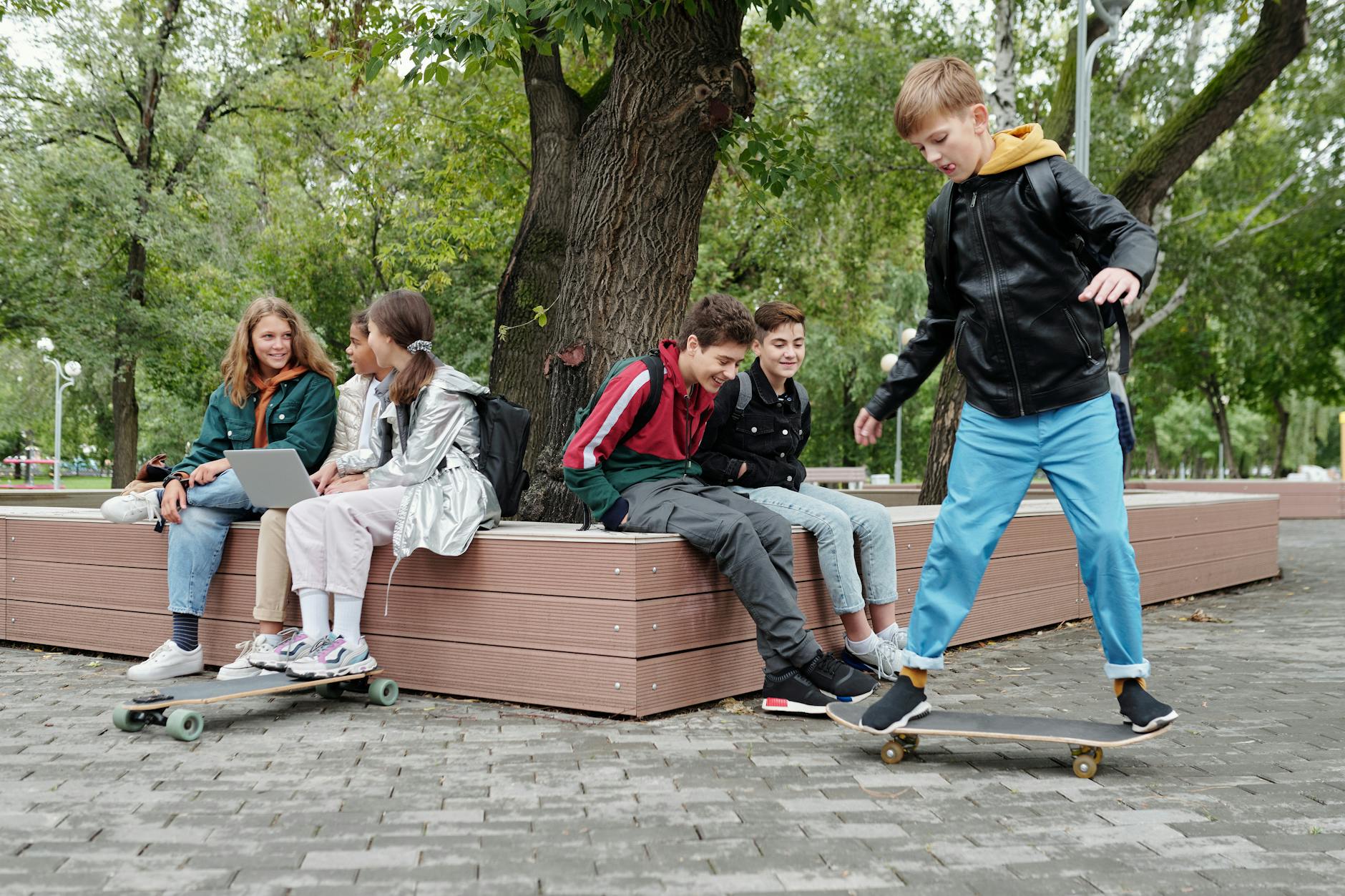
7. The nitty gritty of every day routine reveals our values
Routines are never neutral. They show what our family values—whether that is independence, shared responsibility, rest, simplicity, or participation in wider community life. They also make visible the ethical work that happens in the nitty-gritty “tedious details” of everyday living. For academic parents, these details shape what is possible at work as much as what is possible at home. Keeping my work hours between 9 and 5 has been challenging as we have transitioned to school age kids and as my responsibilities have increased with grants and leadership roles. I often find myself doing bursts of work in early morning stints when I need to have my silent creativity. This is something I can actually do now as the kids do not automatically wake up and accompany me as they did when they were younger! I try to balance out my time by taking advantage of the flexibility that an academic role allows — taking the kids on trips with me, or finishing early to get to it a school event are the perks of the salaried position.
Final thoughts: A transition worth naming
The school‑age years are often described as easier than early childhood, but that description can obscure the real work of transition they involve. As caring demands decrease, work pressures often increase. As children need us less directly, they (and we, to be honest) require clearer structures and boundaries.
My thinking is that naming this transition can help parents anticipate it—and respond with intention rather than simply letting work expand to fill the space. There is certainly a lot I could be doing better, and naming these transitions helps me to allow a space for reflection and change.


