
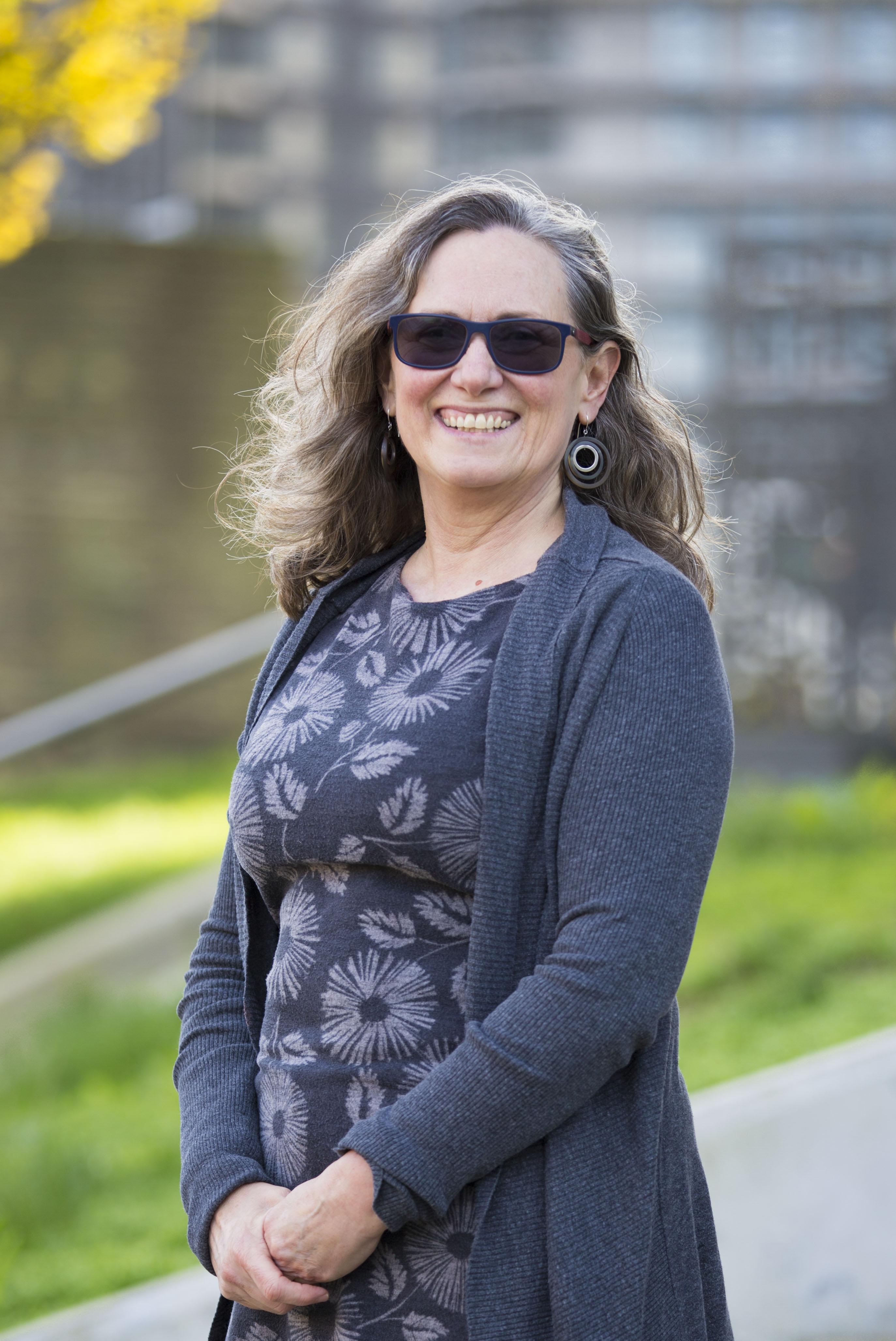
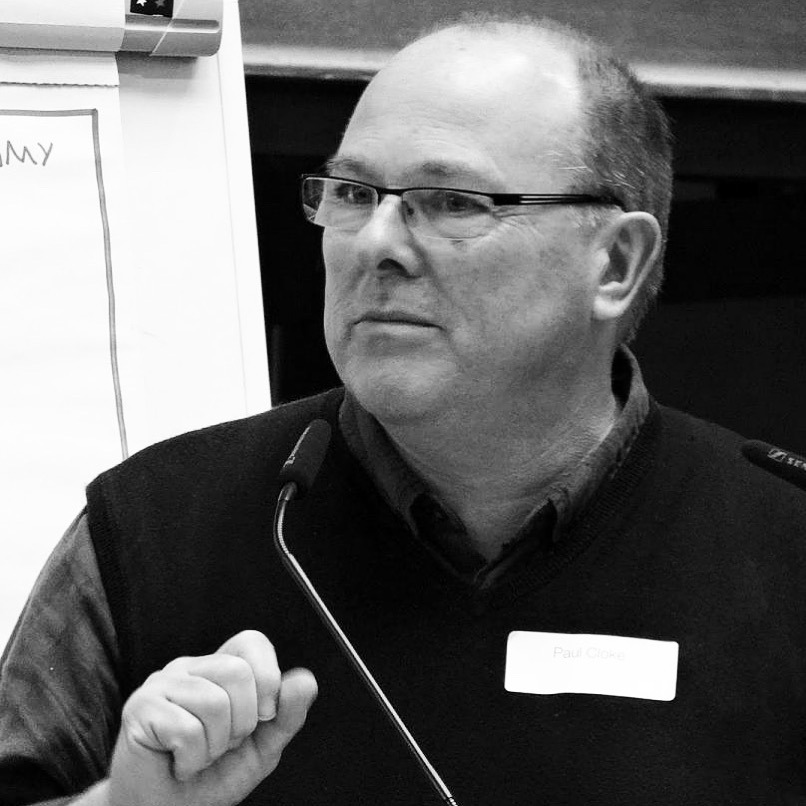
Oh, hi there. I somehow landed the job of editing the 4th edition of Introducing Human Geographies. Somehow — well, I know how: the wonderful late Paul Cloke visited New Zealand on occasion, and after a review of the 3rd edition of Introducing Human Geographies, he was keen to find a non-UK co-editor to help shape the 4th edition. To his great credit as a British, white man in his 60s, I was somewhat surprised that he went ahead and asked me to co-edit when I was clearly pregnant with my 4th child. I was nervous but excited — as a lecturer to first year geography students, and the first year coordinator for geography at that time, I felt like I had quite good sense of what was needed for textbook that would reach them and my fellow lecturers.
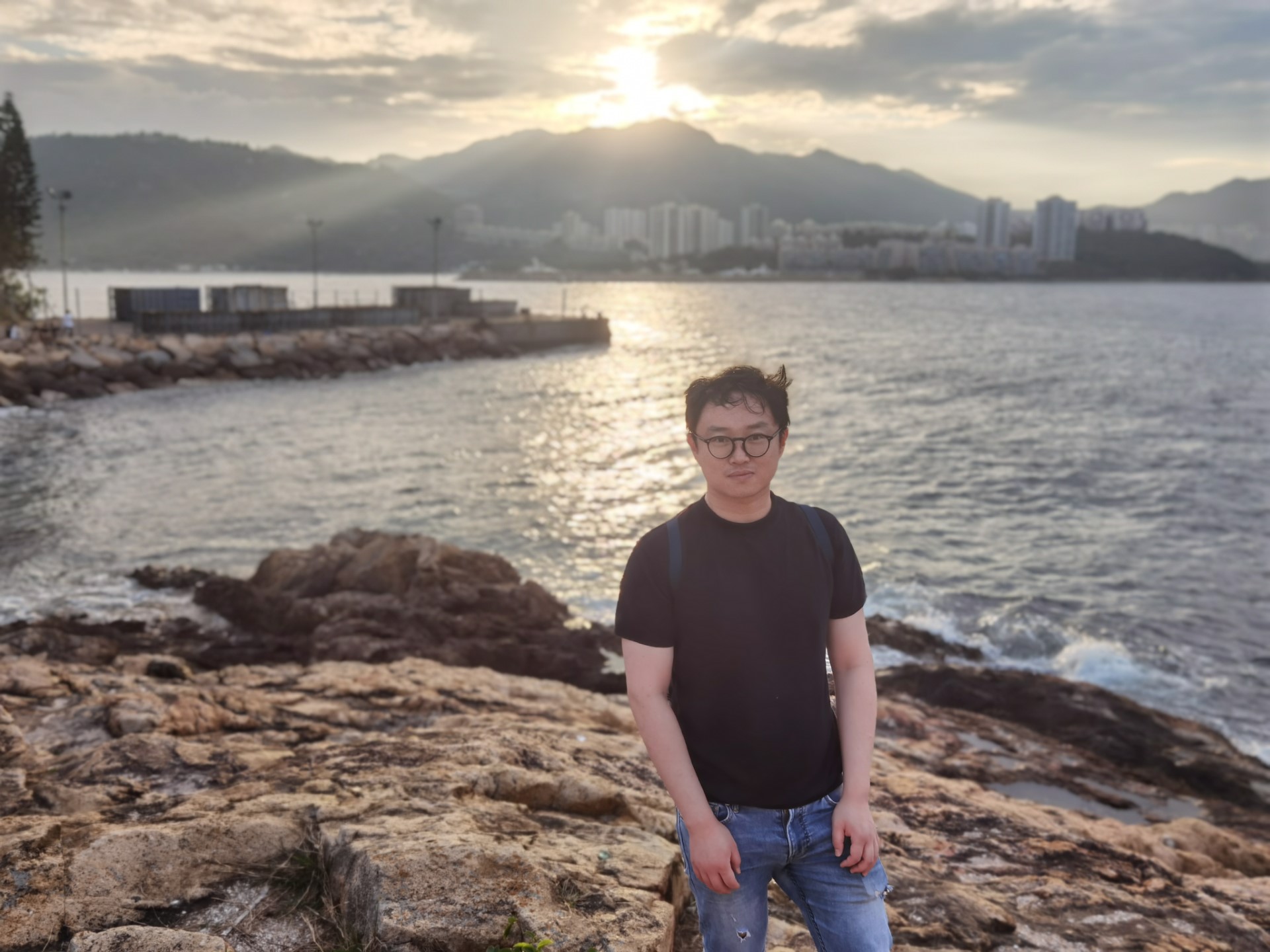
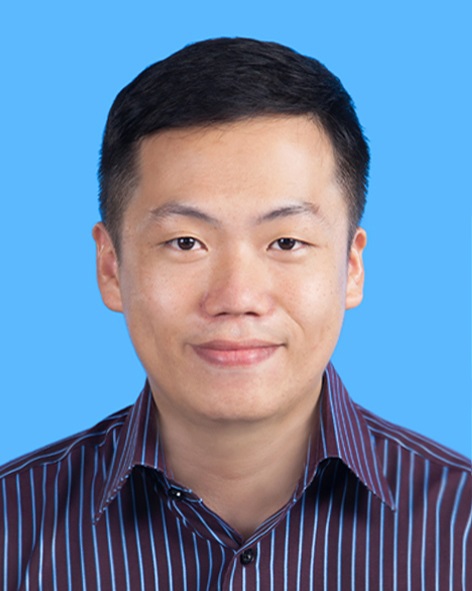
The first step was building the rest of the team. We had Mark Goodwin, an economic and political who was staying on from the previous edition, Junxi Qian from Hong Kong University and an experienced Chinese cultural geographer, and Andy Williams from Cardiff University who is a social geographer with a clear sense of what was happening in the UK.
The next step was creating a new book structure and outline based on the reviews. The reviews suggested that the book needed an overhaul, especially in terms of gender, environmental, Black and Indigenous geography, as well as changing the binary nature of the ‘foundations’ section and rethinking the use of the ‘horizons’ section. All our meetings were my late evening, UK early morning and Hong Kong mid-afternoon. I definitely did a few in my pyjamas, and we have yet to all meet as a collective. When we do, we might be pleasantly surprised that we all scrub up better than late night/early morning zooms might have accustomed us to!
In these meetings, we put together an overall structure, including Foundations, Themes and Collaborations, then went away as section editors to write summary abstracts for each section. I was working on the environmental geographies and the collaborations section mainly — thinking about this as the ‘edges’ of geography not in terms of a teleological understanding of geography’s ‘progress’ but in terms of the diverse collaborations with other fields such as computer science, Black studies, geology, Indigenous studies, economics, queer studies and more. So fun!

Next was outlining who would write each section. For each chapter we brainstormed 3 to 5 people who we thought might do the job, which required us to scour geography journals and texts to find people from all around the globe that we hadn’t previously heard of. I was particularly keen to have a process where once we had the 5 people, we began with minoritized peoples or people from the Majority World/Global South as a first option. Why? Because the previous editions of the book had been by UK authors for UK students in the most part. But this edition was to be much more international and diverse.
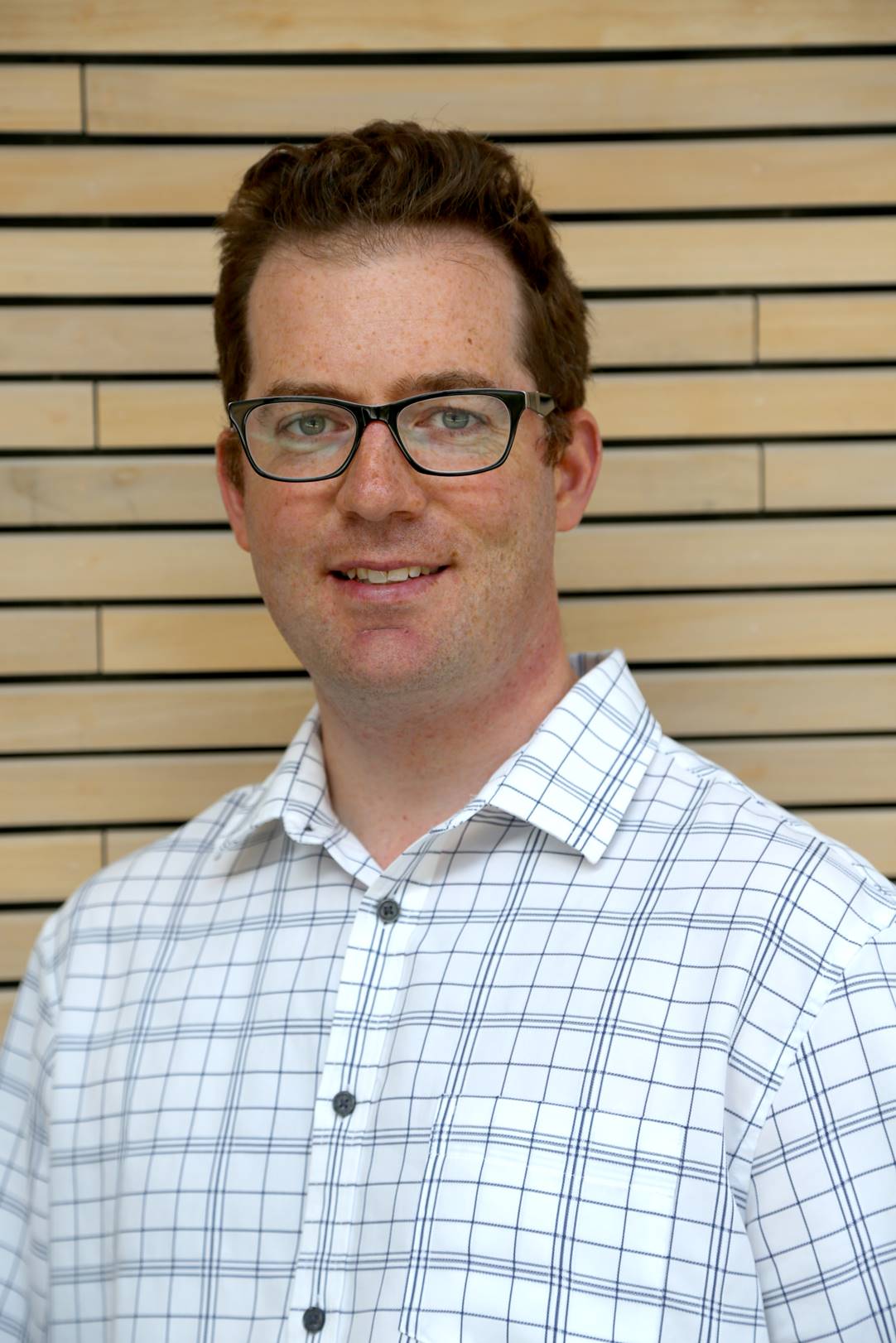


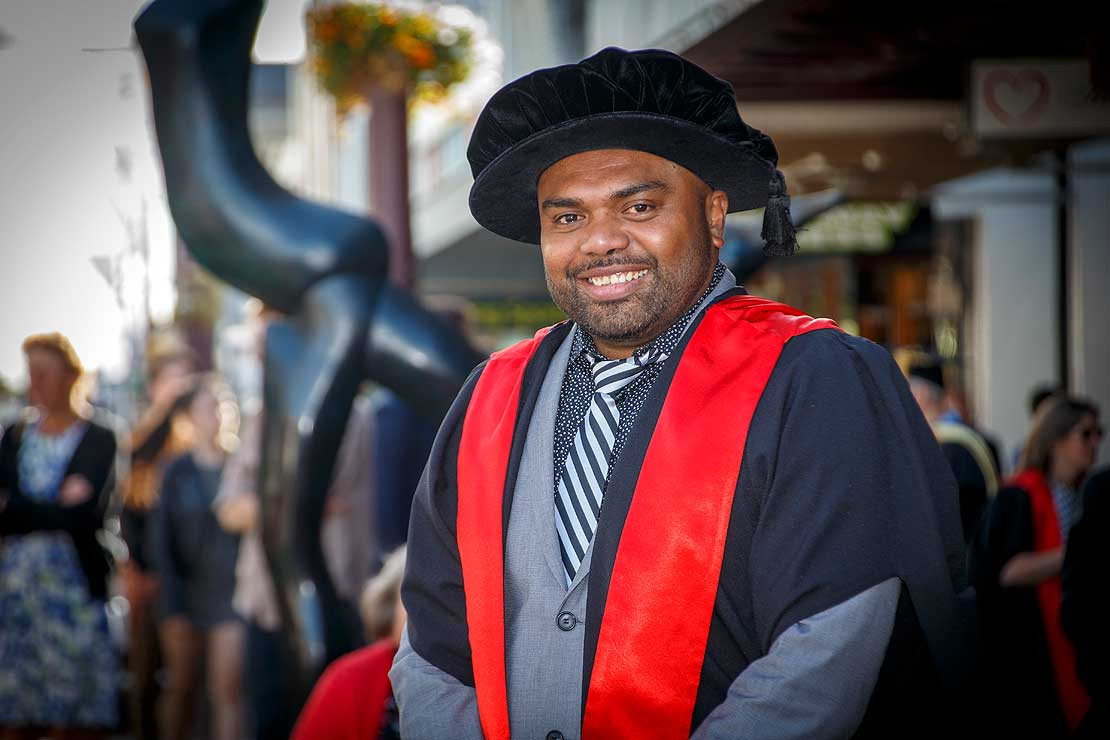





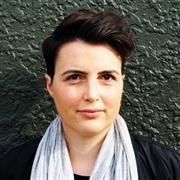
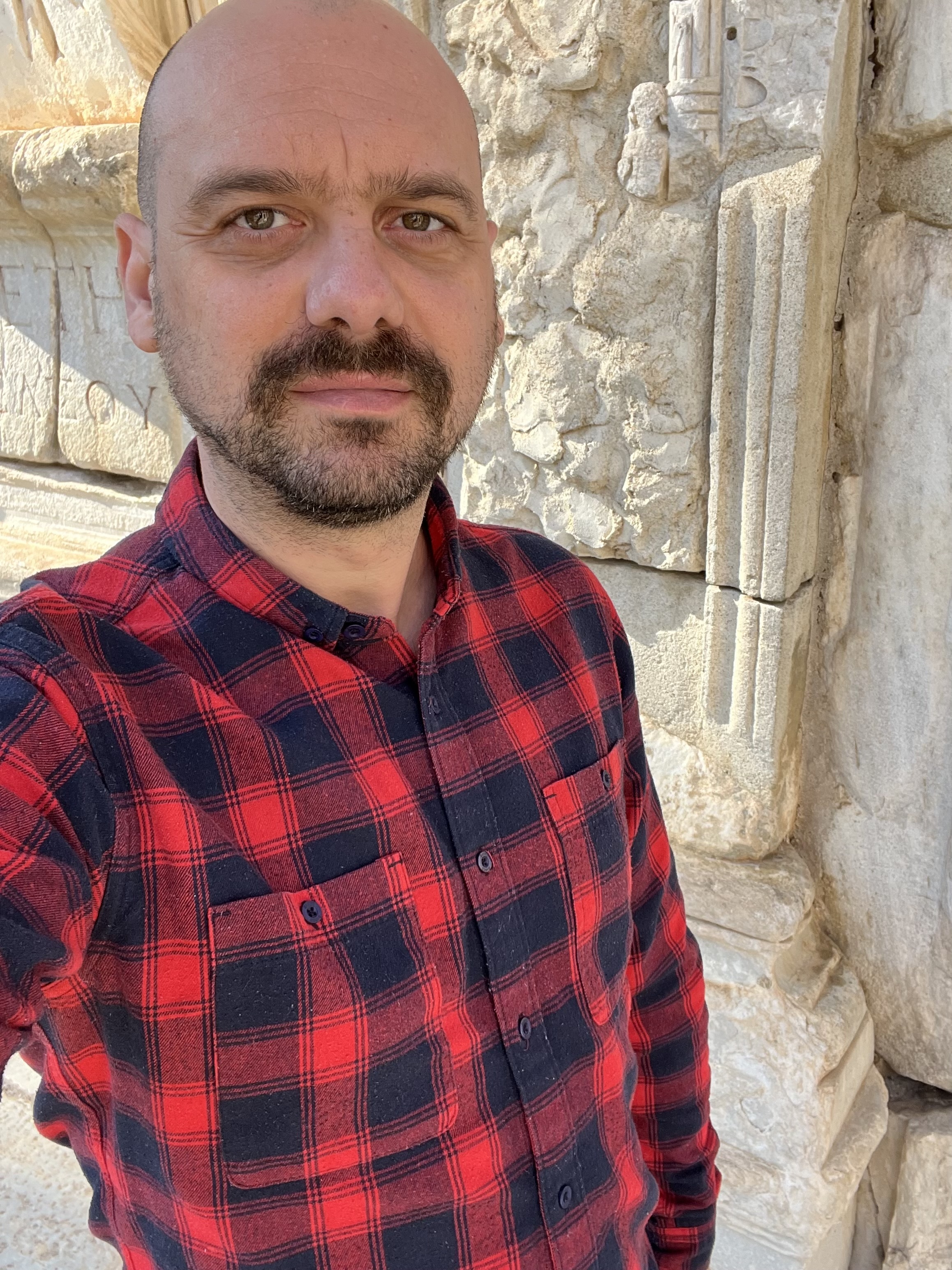
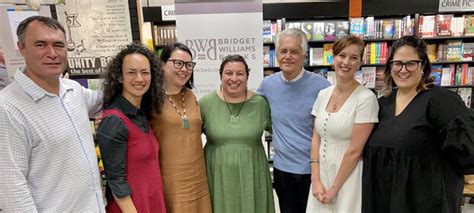

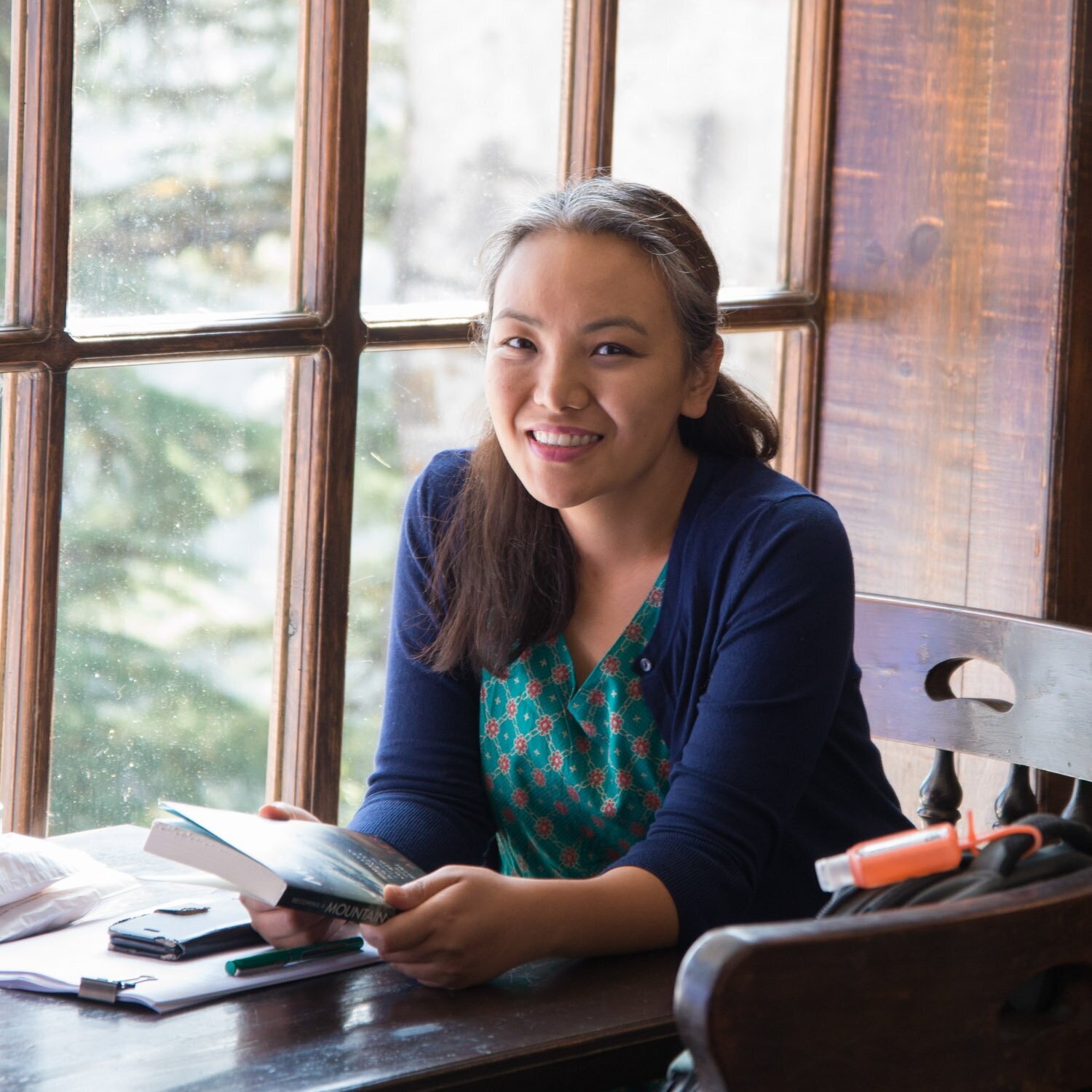
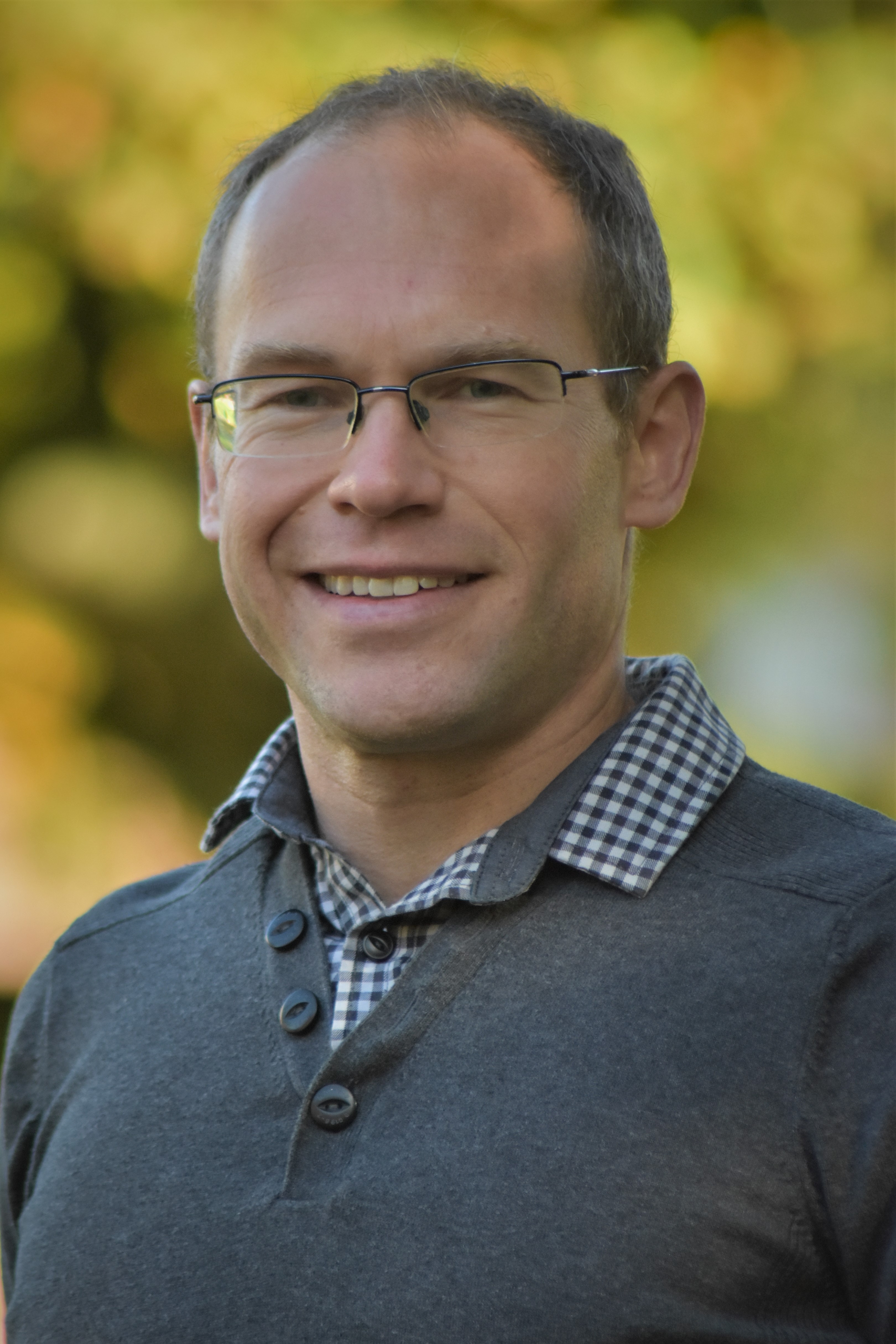

This was harder than it first seemed. Because in the end, with these sorts of texts, there is very little reward for the person writing the chapters. They got £100 (less if co-authored) and a copy of the 1000 page tome. And a chance to shape the discipline! But what surprised me (and shouldn’t have) was that it is much easier to convince someone you already know to contribute than someone you don’t know. (Big waves to those who didn’t know me, and THANKS). Our networks, of course, are influenced by geography, gender, race, nationality, ethnicity and approach. The book no doubt still reflects this, and it’s something to be aware of in recruiting editors for the 5th edition.
Then there was the actual work of editing. This was a huge logistical challenge of time management, which I will not bore you with. Instead I will make an observation on writing styles. My observation on editing this book and The Handbook of Diverse Economies is that there are regional writing styles in the academic world. I have worked in Australia and New Zealand, where direct writing styles are highly valued. Say what you mean, mate, and don’t go on about it too much. The style is more spare, often with less citational clutter. In the UK, there is a high value placed on acknowledging all of the thinkers and writers who have contributed, which leads to longer sentences and even longer citational parentheses. There is also a higher reluctance to reword people’s ideas and greater use of quotes.
I’m afraid I was a bit bossy here. Fortunately for me, during the major editing period, I had a lot of teens in and out of my house and in my life as a first year coordinator for geography. So the filter I used was “would an 18 year old I know understand this?” This sometimes meant I erred on the side of simplicity, and reduced citations — which has it’s own problems for recognition of people’s work. But it also meant I asked contributors to add in additional details and refrain from throwaway references such as “war-on-terror sensibilities” or “the Thatcher years” since I figured the teens in my life would not have any idea what those referred to. Either explain it and why it is important, or dump it!

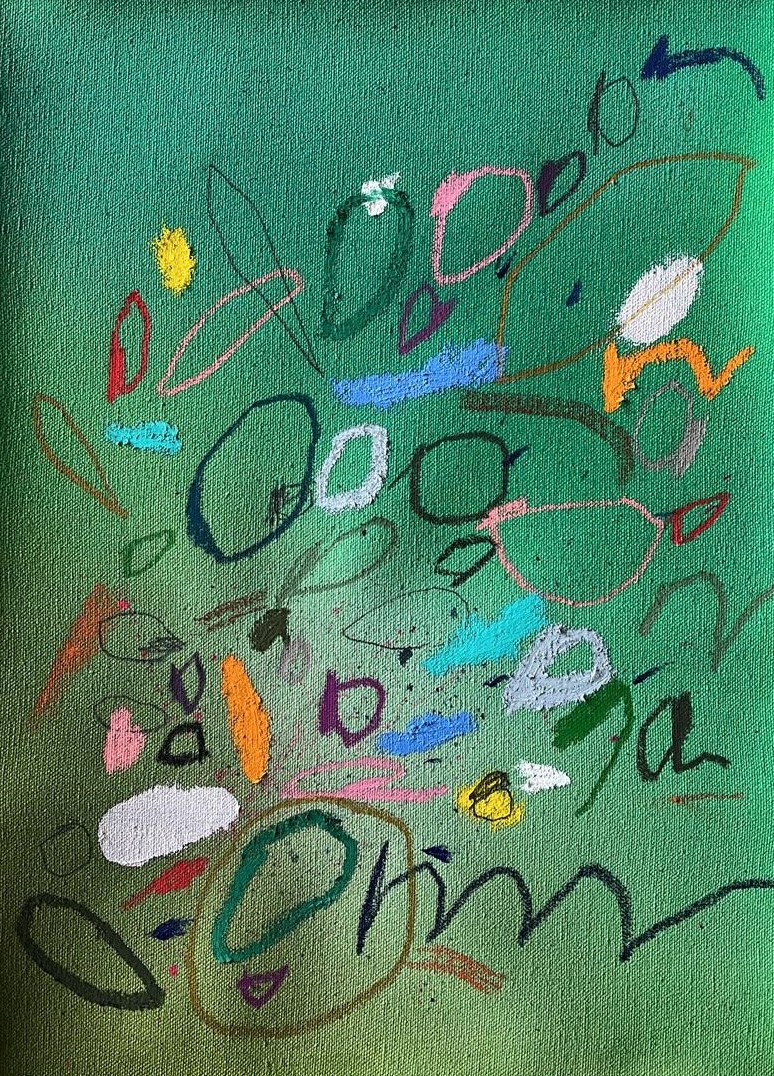
Another massive piece of work was making it an attractive book. We wanted four images per chapter (remember, 75 chapters!) and we wanted them to be good quality. For this, I hired Inge Flinte, an artist and photographer, to work with me on making sure we had great images for each chapter. She tirelessly (ok sometimes, tiredly) spent hours assessing photos for quality and clarity, finding photos, taking photos, collecting permissions, organising details for payment and then, finally, painting the image that we used for the cover. What we represented visually also had to also be diverse and as global as we were able. Fortunately, Inge is acutely attuned to this as a well-travelled NZ citizen with Japanese and German parents living in multi-cultural Melbourne. Her insights were invaluable, and she is also just good fun and incredibly caring (thanks Inge!).
So, I don’t know if we truly decentred the UK as much as we would like. But I really look forward to hearing the feedback from people all over the world as to how the book landed for them. In the end, it was a huge privilege to be part of this, and to work with people from all over the planet on a shared project shaping human geography in contemporary times. Ngā mihi nui mātou!

 Throwntogetherness
Leave a comment